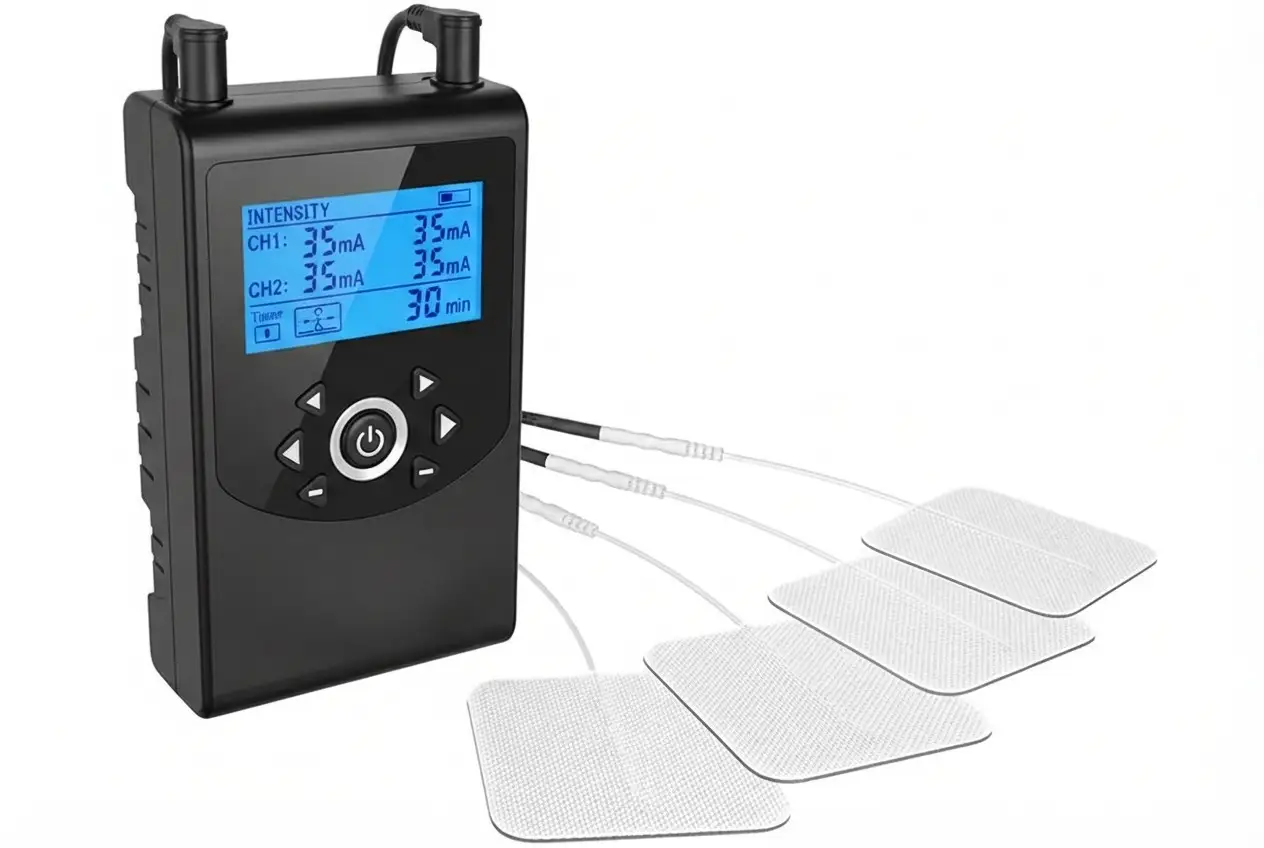
這項療法具備臨床實證支持。在偏癱患者的上下肢運動復康中,NMES 是常用的治療與神經義肢手段,有助維持肌肉量及減少廢用性萎縮(Knutson et al., 2015);而針對垂足患者,將電刺激配合常規復康訓練,亦能改善踝背屈幅度與下肢功能(Wang et al., 2025)。使用時必須由治療師指導,體內裝有心臟起搏器的人士以及皮膚有傷口的位置均嚴禁使用。
手腳踏單車對中風康復有甚麼幫助?
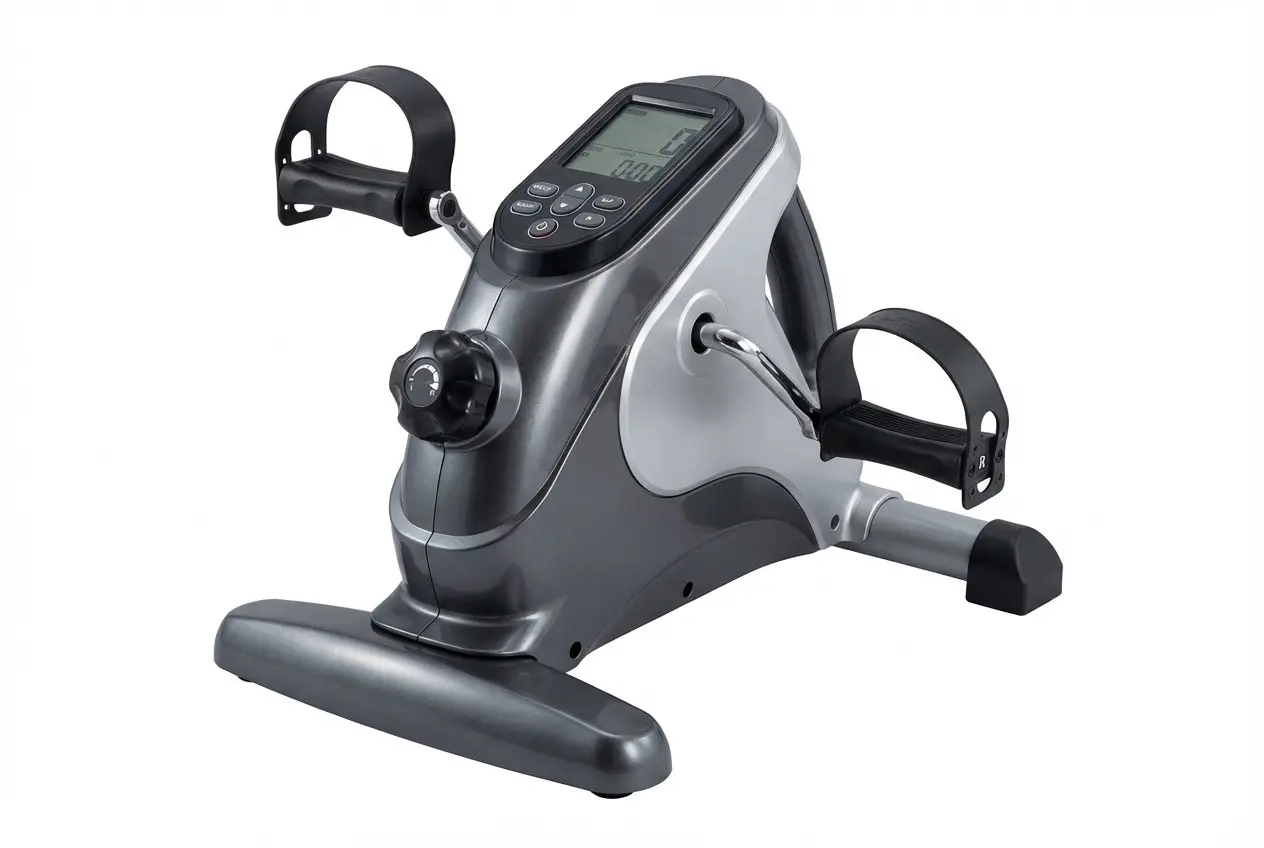
踏單車能讓患者留在家中進行有氧運動及重複的肢體協調訓練。有氧體適能訓練(包括踏單車形式)具備 Cochrane 級別的實證支持,證實可提升步行速度、耐力及平衡力(Saunders et al., 2016);美國心臟協會亦建議中風患者結合有氧及肌力運動,同時減少久坐,但運動強度必須按個人情況量身調整(Billinger et al., 2014)。
Paleg, G., & Livingstone, R. (2015). Systematic review and clinical recommendations for dosage of supported home-based standing programs for adults with stroke, spinal cord injury and other neurological conditions. BMC Musculoskeletal Disorders, 16, 358. DOI
Knutson, J. S., Fu, M. J., Sheffler, L. R., & Chae, J. (2015). Neuromuscular Electrical Stimulation for Motor Restoration in Hemiplegia. Physical Medicine and Rehabilitation Clinics of North America, 26(4), 729–745. DOI
Wang, Y., Li, X., Sun, C., et al. (2025). Effect of electrical stimulation in the treatment on patients with foot drop after stroke: a systematic review and network meta-analysis. Journal of Stroke and Cerebrovascular Diseases, 34(5), 108279. DOI
Saunders, D. H., Sanderson, M., Hayes, S., Kilrane, M., Greig, C. A., Brazzelli, M., & Mead, G. E. (2016). Physical fitness training for stroke patients. Cochrane Database of Systematic Reviews, (3), CD003316. DOI
Billinger, S. A., Arena, R., Bernhardt, J., et al. (2014). Physical activity and exercise recommendations for stroke survivors: a statement for healthcare professionals from the American Heart Association/American Stroke Association. Stroke, 45(8), 2532–2553. DOI
Winstein, C. J., Stein, J., Arena, R., et al. (2016). Guidelines for Adult Stroke Rehabilitation and Recovery: A Guideline for Healthcare Professionals From the American Heart Association/American Stroke Association. Stroke, 47(6), e98–e169. DOI